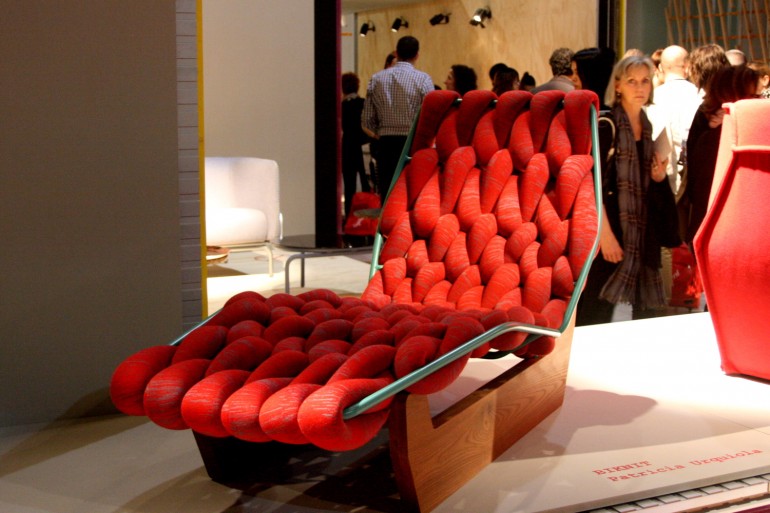
Milan Design Week 2012
Salone Internazionale del Mobile has been showcasing the latest in home-furnishing design from Italy and around the globe since 1961. But the Milan Design Week is not just the most important home interiors fair including the Salone Internazionale del Mobile, EuroCucina, the International Bathroom Exhibition or the International Furnishing Accessories Exhibition.
Besides many collateral arts events have been carried out: Design Dance by Michela Marelli and Francesca Molteni at the Triennale’s Teatro dell’Arte, the multimedia installation Librocielo by Attilio Stocchi at the Biblioteca Ambrosiana or a performance at the Piccolo’s Teatro Studio where Laura Curino gave us the great Milanese designers of the ‘60s - Castiglioni, Magistretti, Menghi, Sottsass, Viganò, Zanuso.
There was so much going on in so many locations around the city centre that they were sorted into 5 distinct itineraries, whole districts humming with creativity and teeming with temporary showrooms alongside resident stores and workshops. Highlights included Fabrica’s show at the historic Villa Necchi and Tom Dixon’s MOST design fun fair at the Museum of Science and Technology.
In the Future in the Making exhibition the Italian Domus magazine transformed the baroque Palazzo Clerici in the town centre into a 'transient laboratory of advanced experimentation and production'. According to Joseph Grima, Domus' editor, this show is a reflection of 'the revolution that is radically changing the face of design'. New economic models, crowdfunding, microlaboratories, accessible technology and design, and above all sharing are all powering this 'glocal' phenomenon.
Thus the fair and the ‘Fuorisalone’ is always a source of inspiration, from color trends to the latest surface finishes, no matter what your design discipline.
If you could not attend, don’t worry we have gathered the main trends seen at Milano from the17th to the 22nd of April.
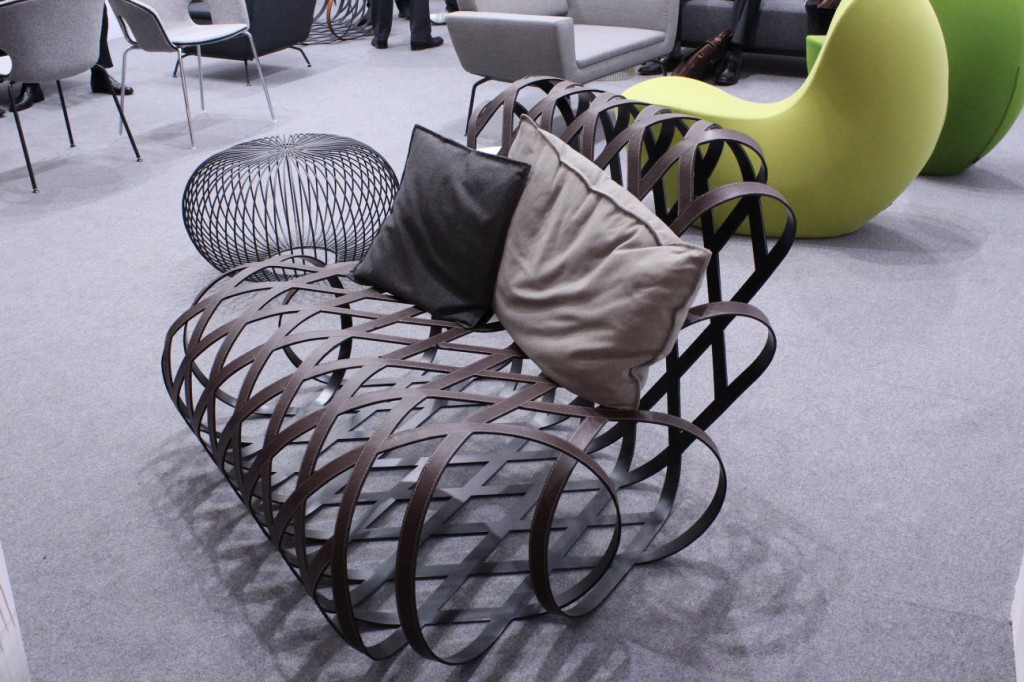
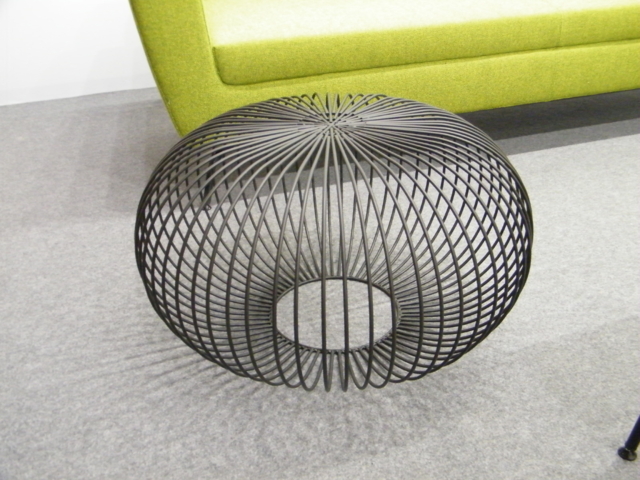
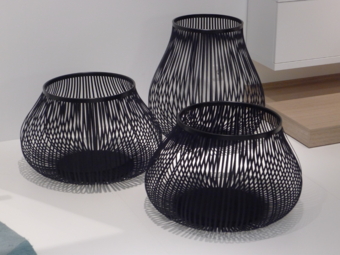
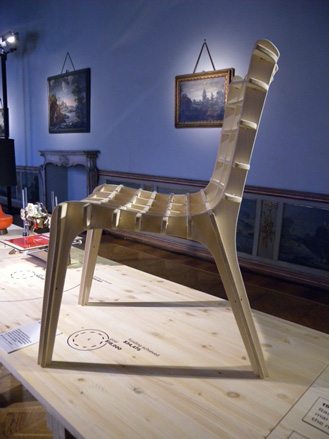
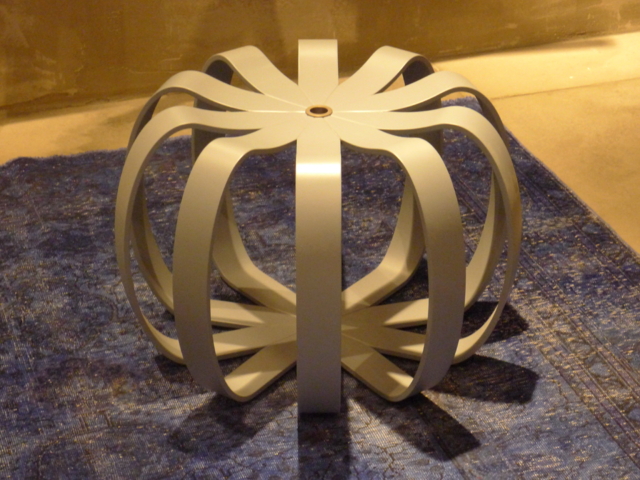
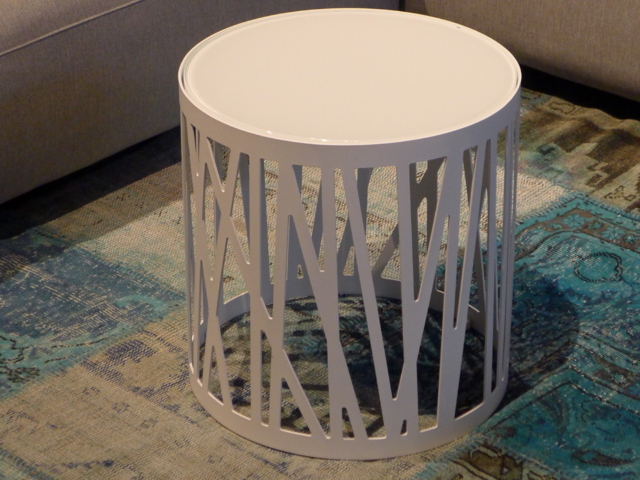
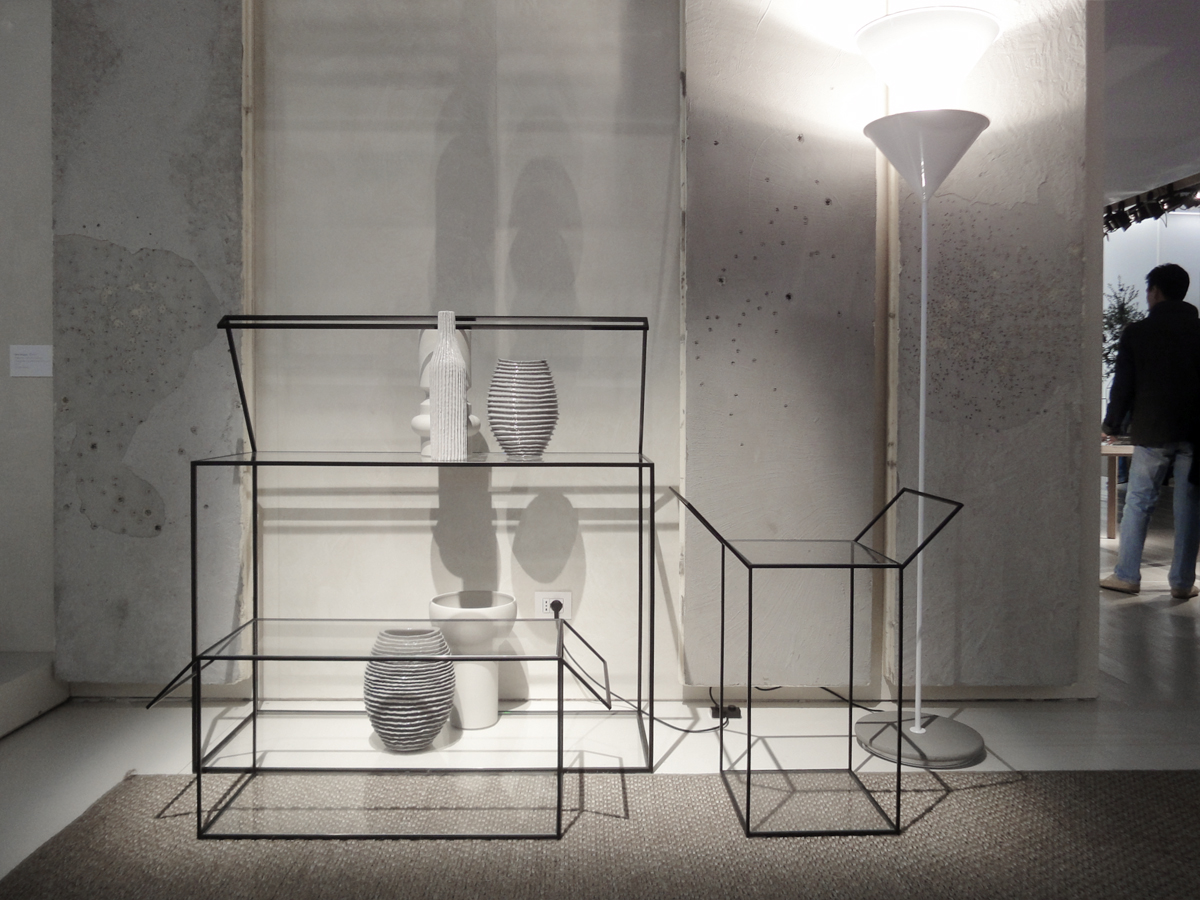
Open Structures
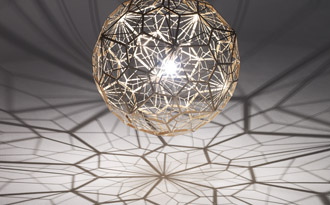
Wireforms and frameworks that allow seeing through structures and pushing material's strength to its maximum, creating not only innovative shapes but also unusual patterns.
Examples:
Tom Dixon lamps
La Cividina chair.
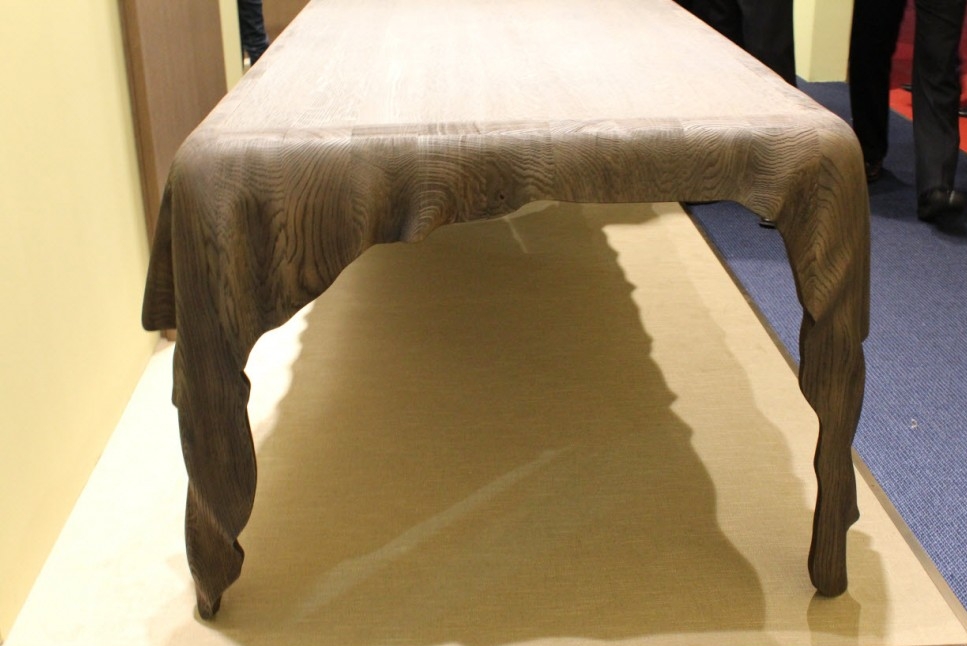
Reinterpretation of Material and shapes
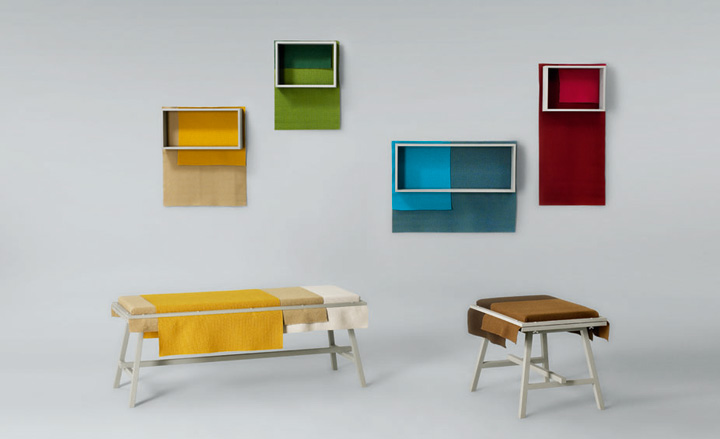
Shapes traditionally related to soft materials are implemented in hard ones. The opposite effect is found in storage pieces with parts covered in fabric.
Examples:
Emmemobili's draped dining table
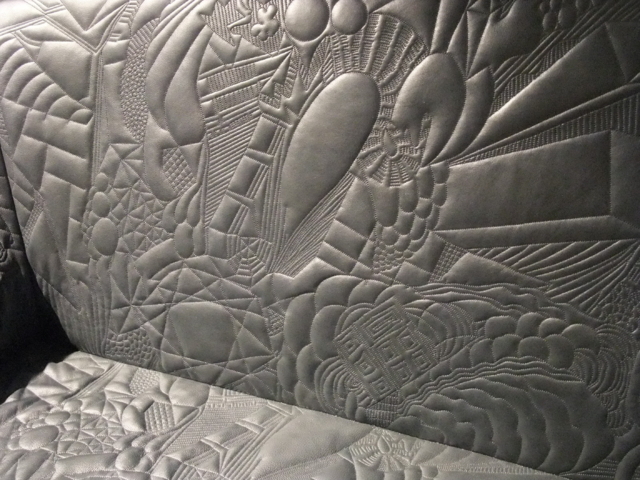
Doimo Idea's quilted sideboard doors.
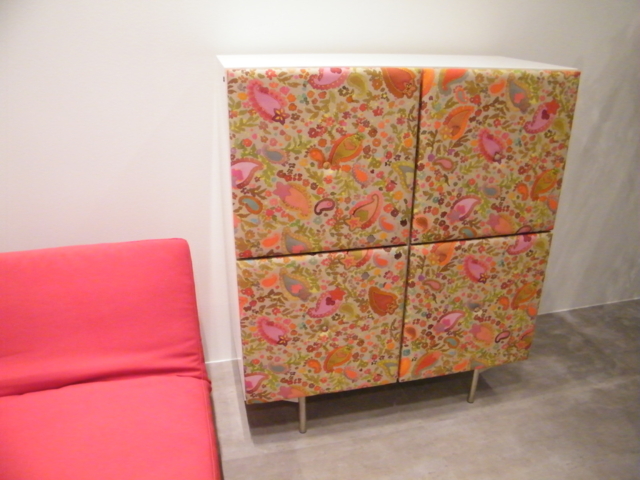
Multicoloured surfaces
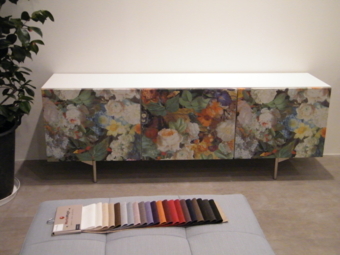
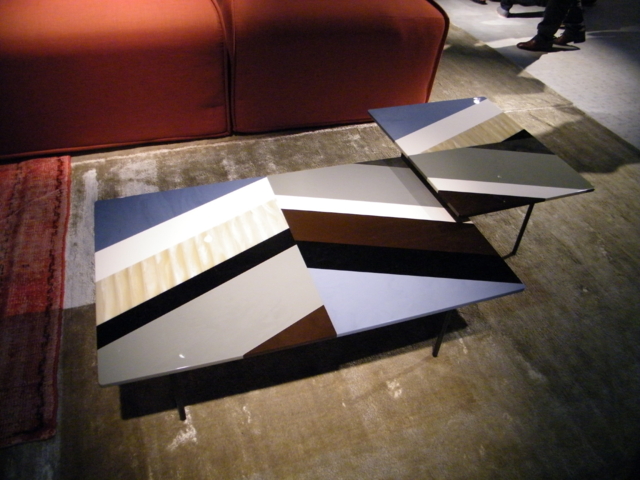
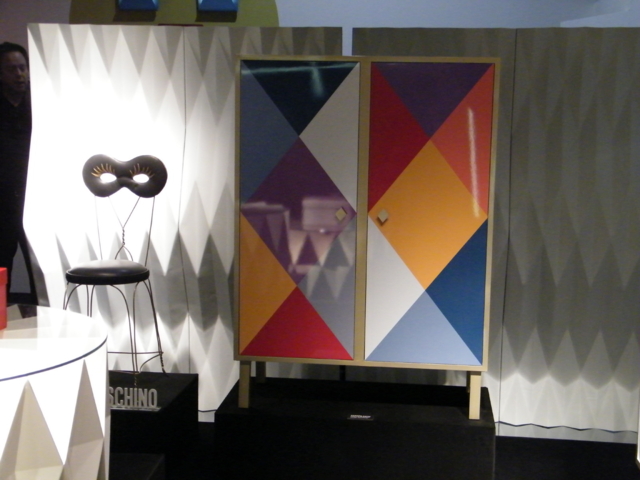
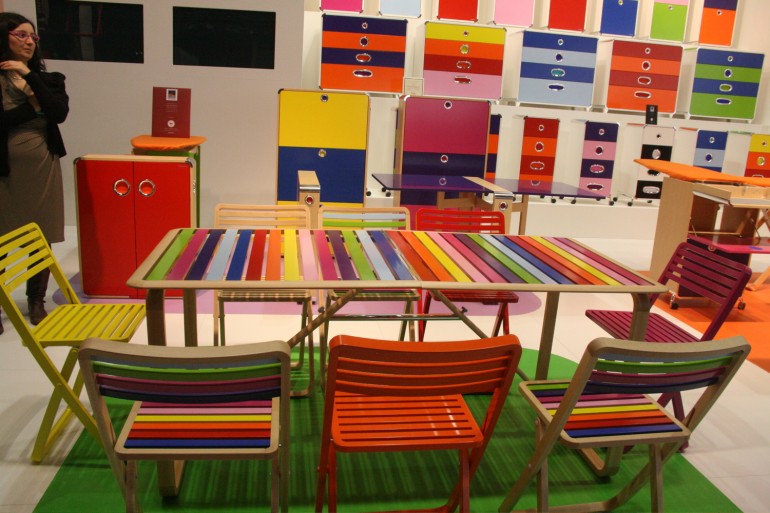
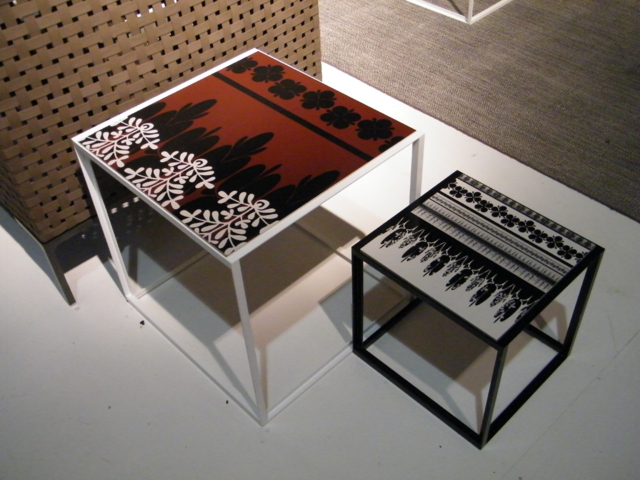
Fashion brands add colours, prints and patterns to different furnitures like tabletops and storage pieces.
Examples:
Moroso’s tables by Patricia Urquiola
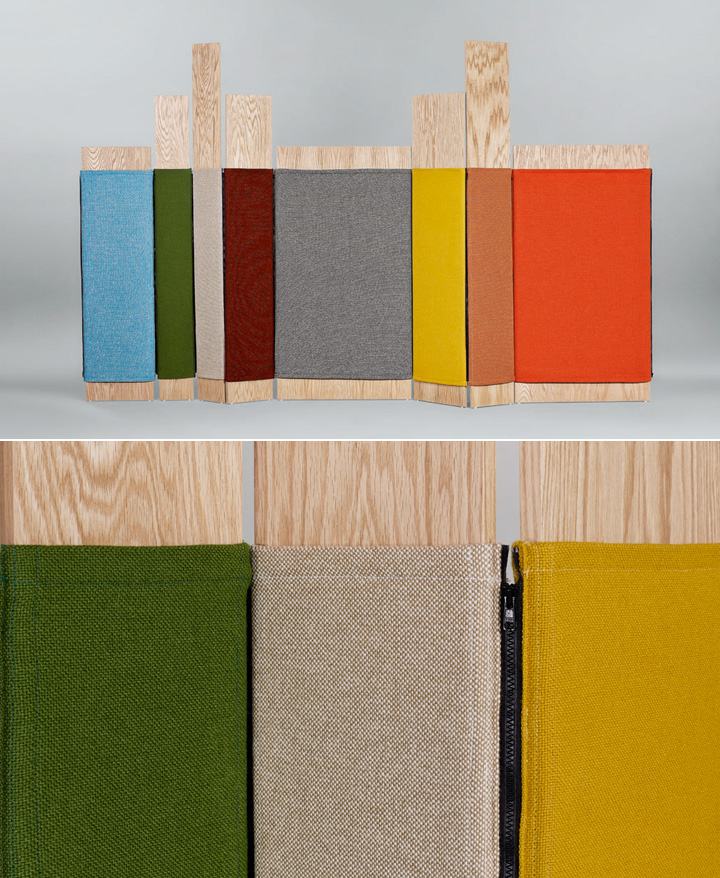
Kvadrat’s Play screen by Stephen Burks.
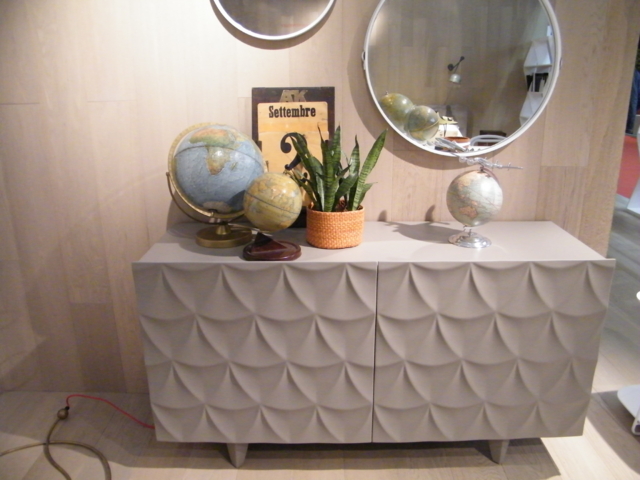
Extreme texture
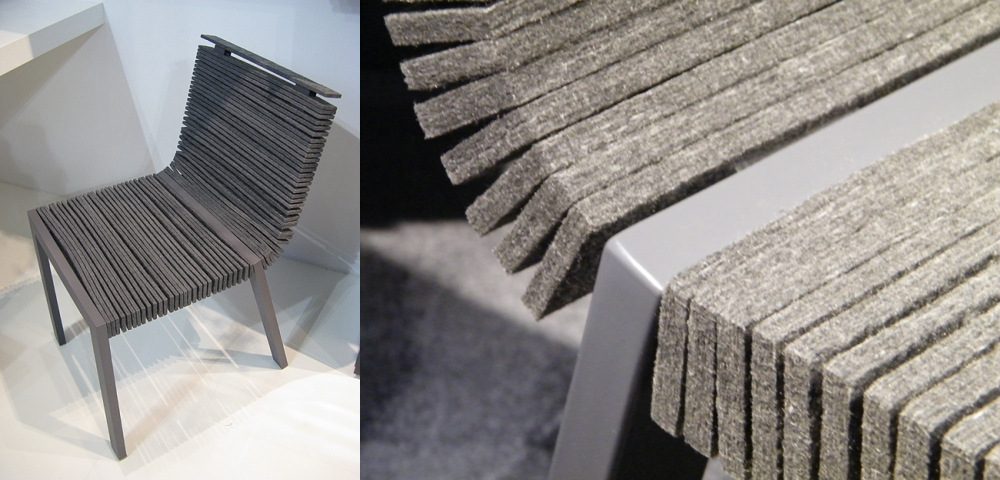
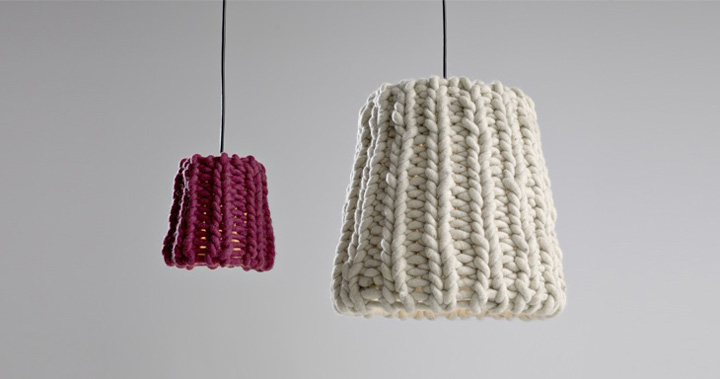
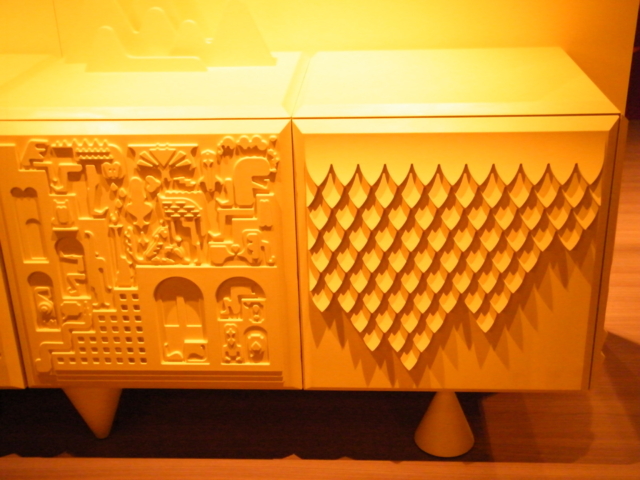
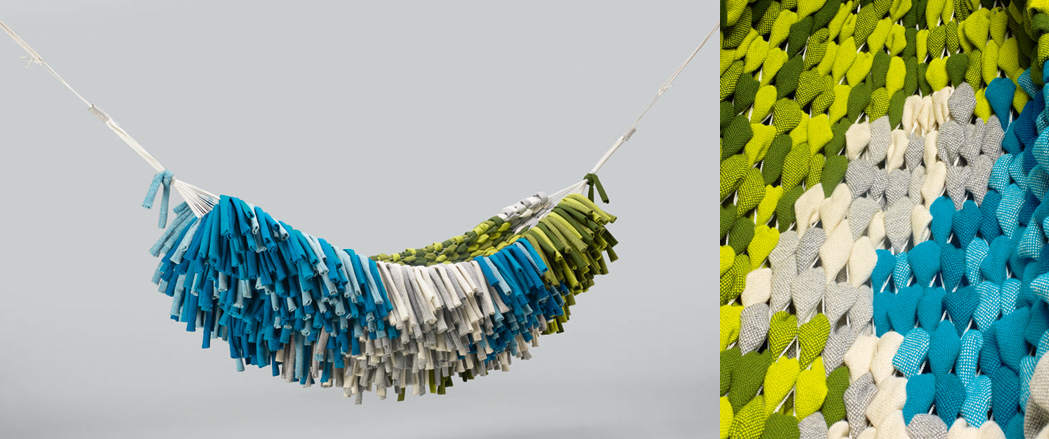
Patterns and textures on both hard and soft surfaces in order to add sculptural approaches.
Examples:
Lago’s felt chair by Monica Graffeo
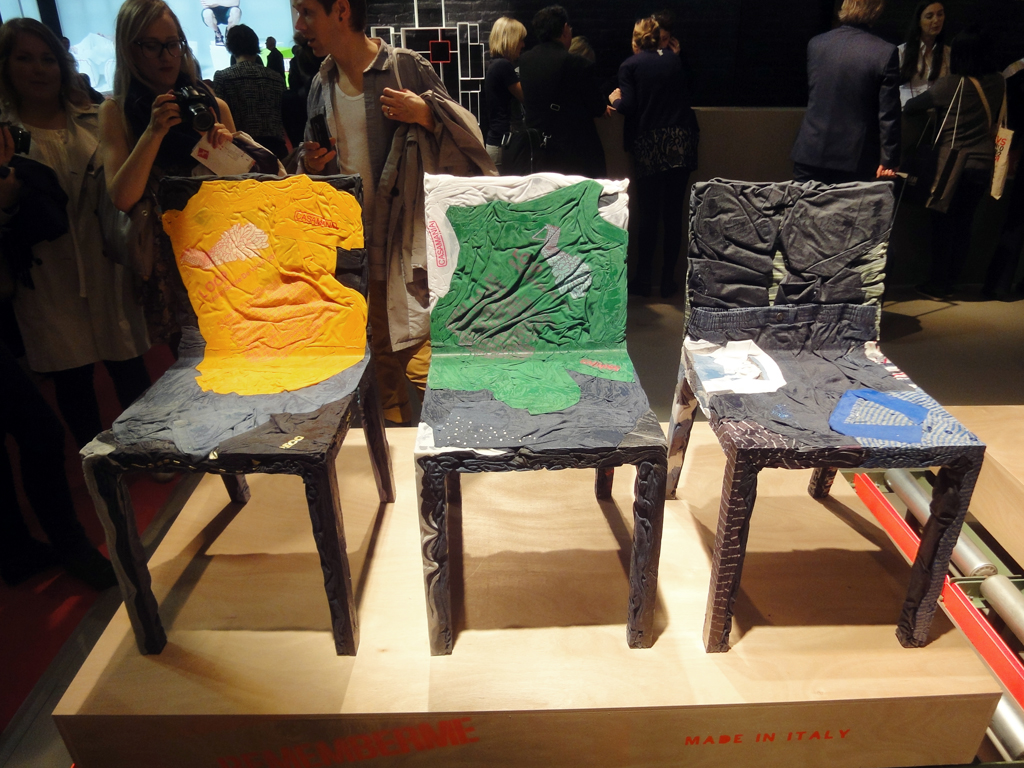
Casamania’s knitted lamp by Pudelskern.
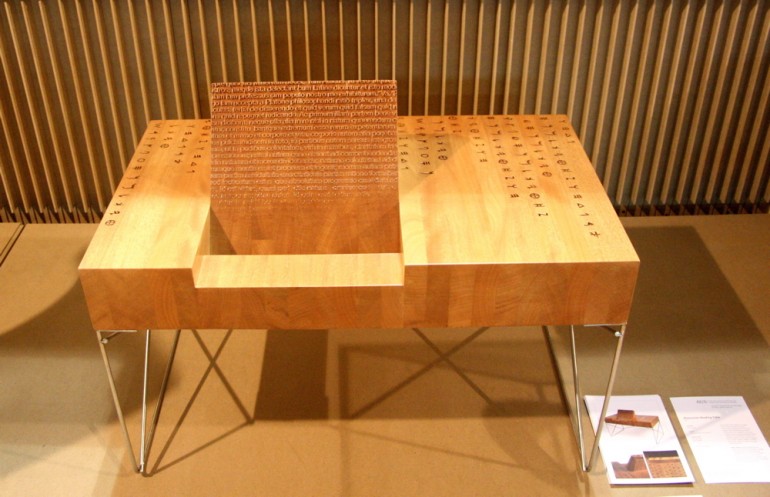
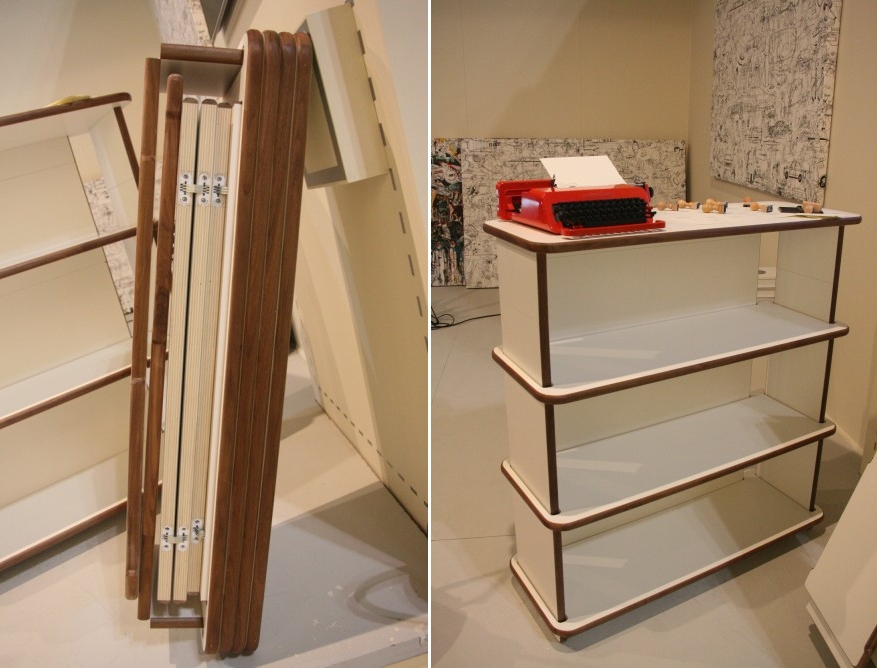
Added function
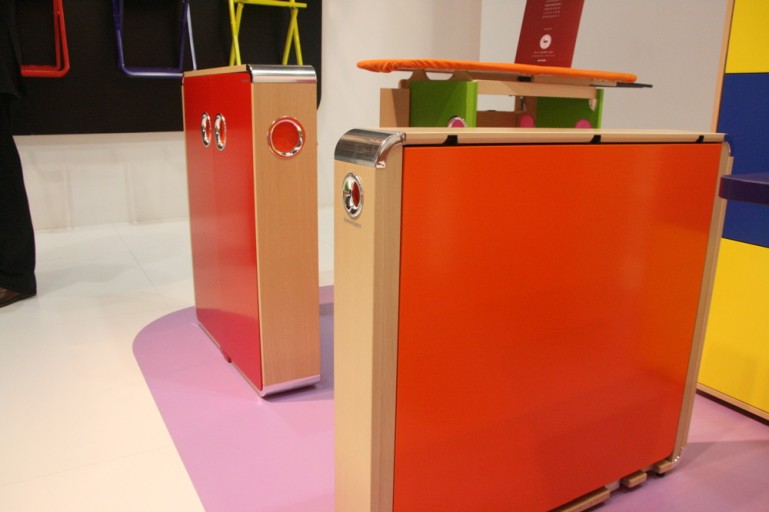
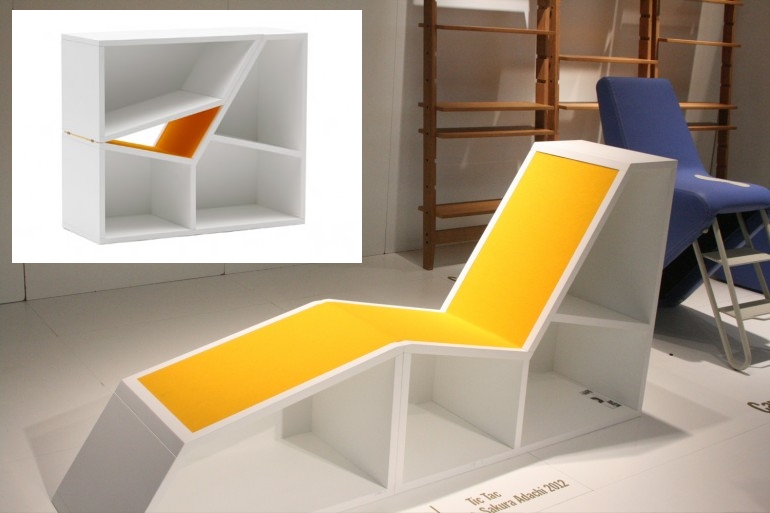
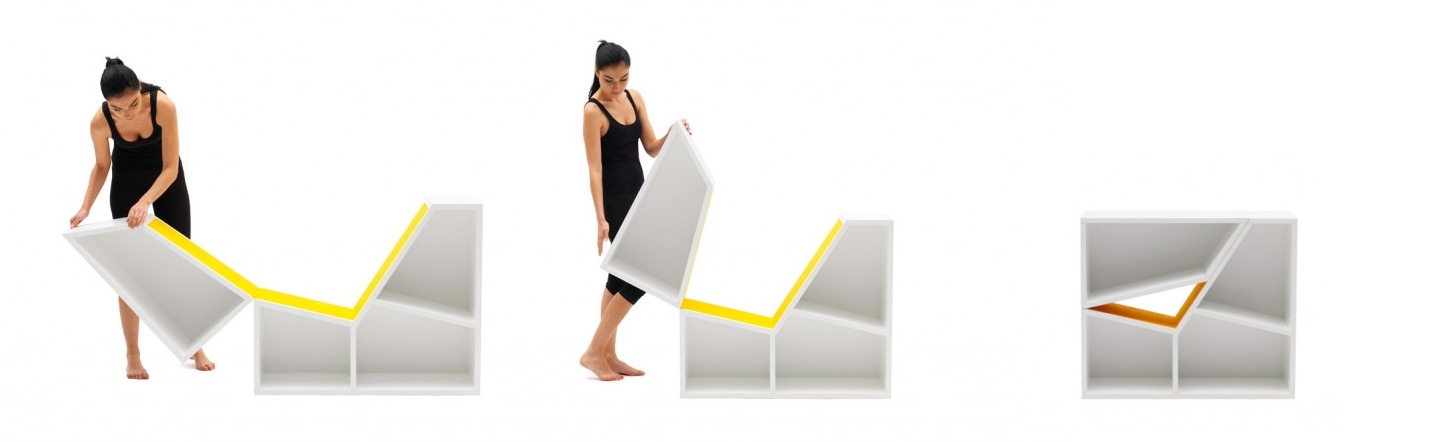
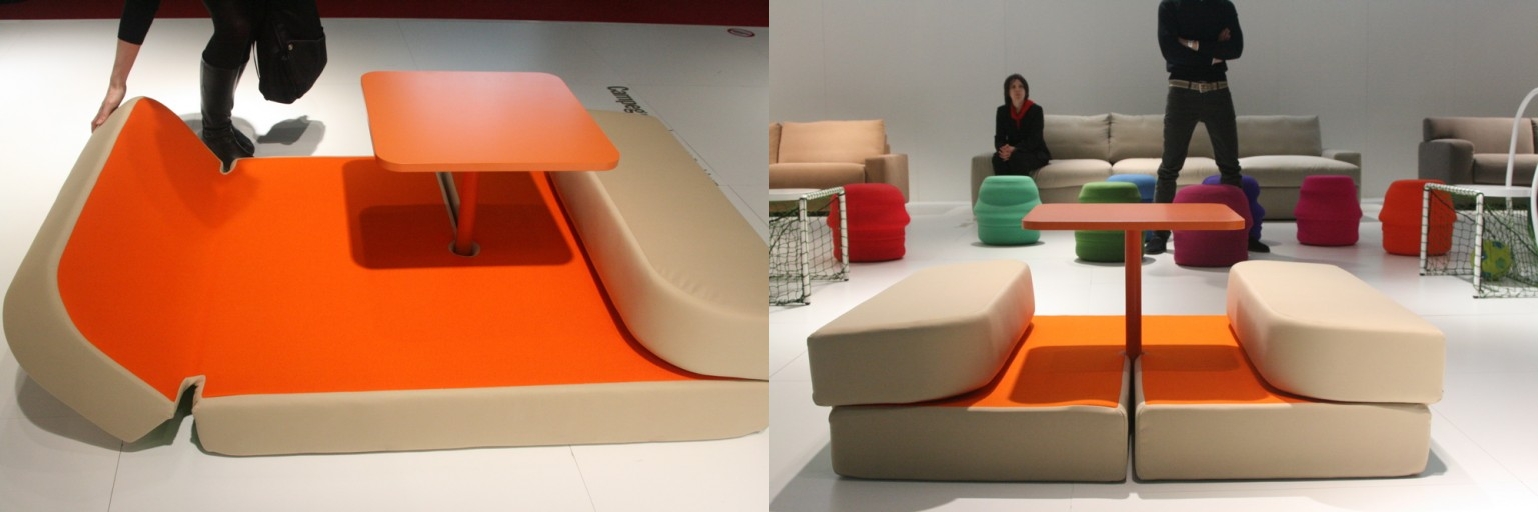
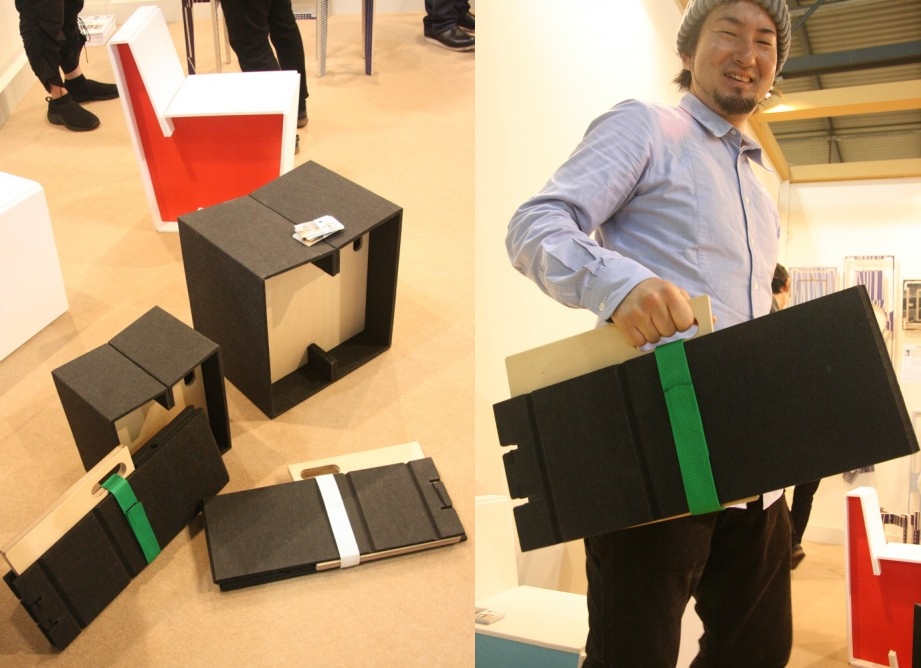
Two-function products in order to optimise space and offer an added function to the user. Some of the furnitures also invite to play, transform and adapt hidden parts to achieve the second function.
Examples:
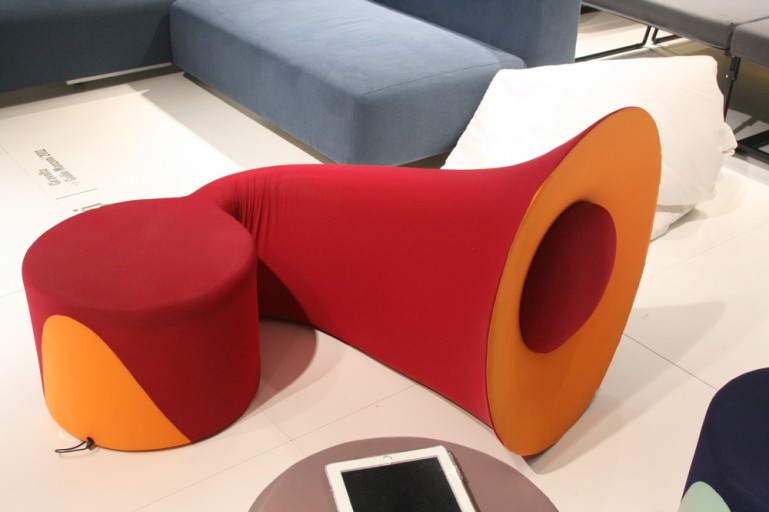
Campeggi’s Tic Tac library-chaise longue by Sakura Adachi
Campeggi’s Sweet Talk and Dream by Matali Crasset.
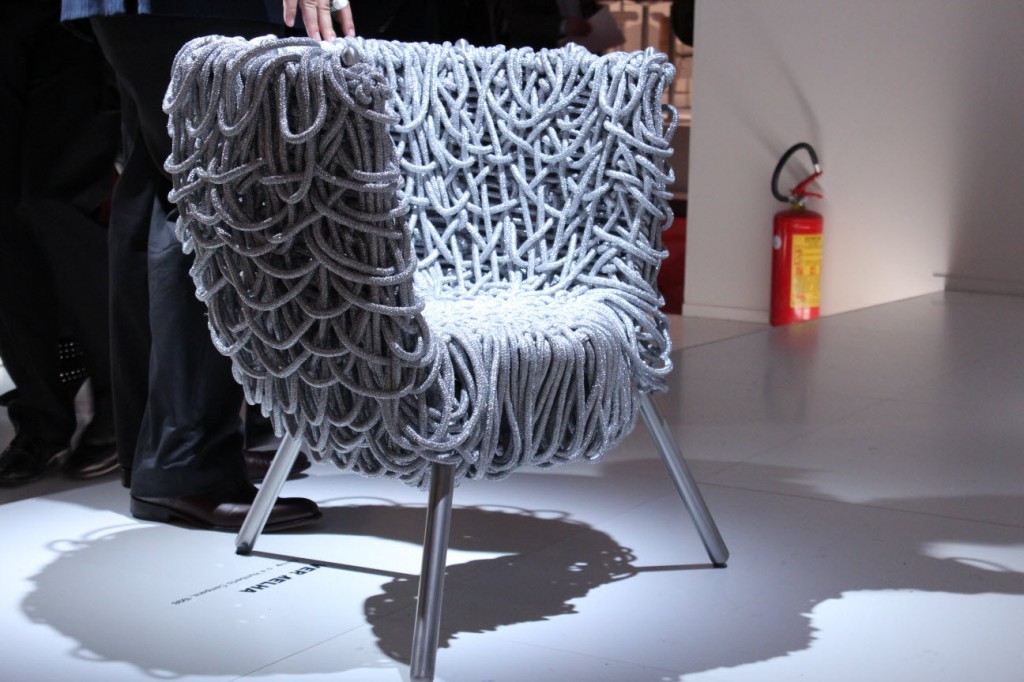
Tangled
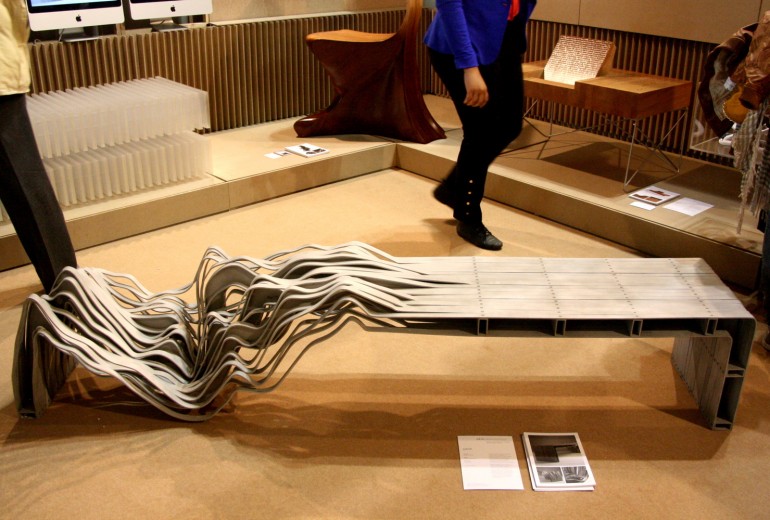
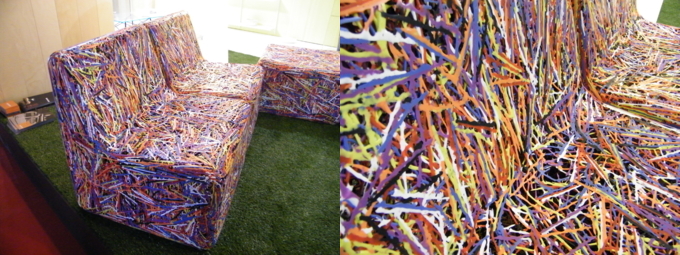
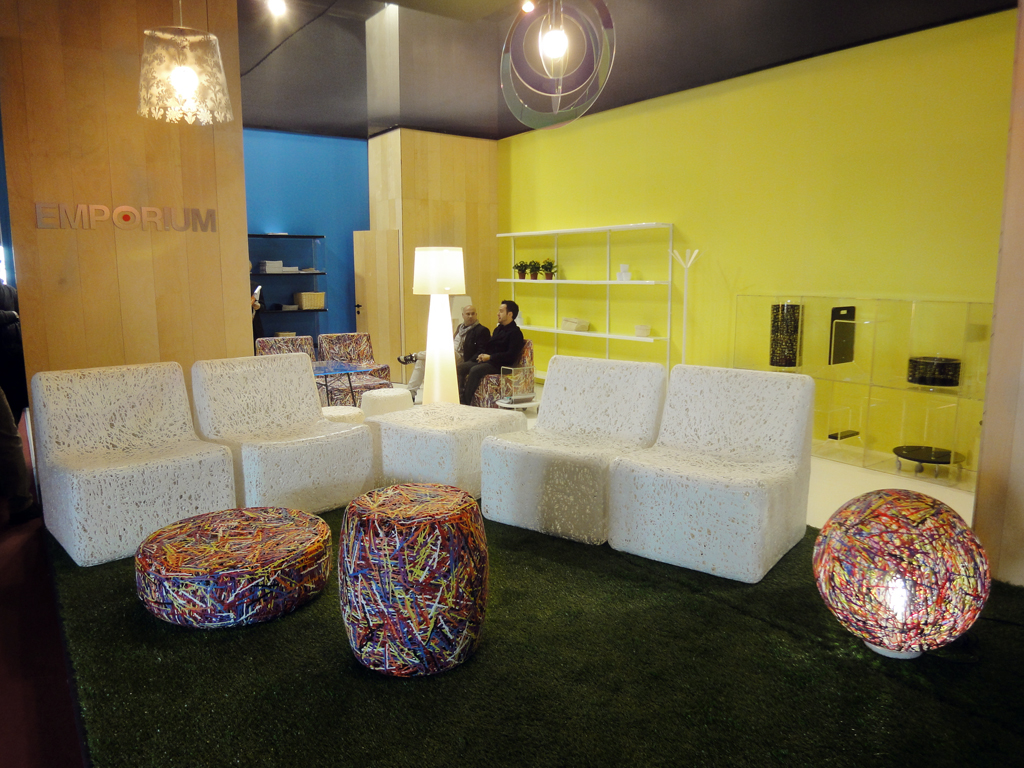
Shapes of products sculpted by materials arranged randomly.
Examples:
Emporium's plastic sofa
Quetzacoalt by Jean-Baptiste Fastrez.
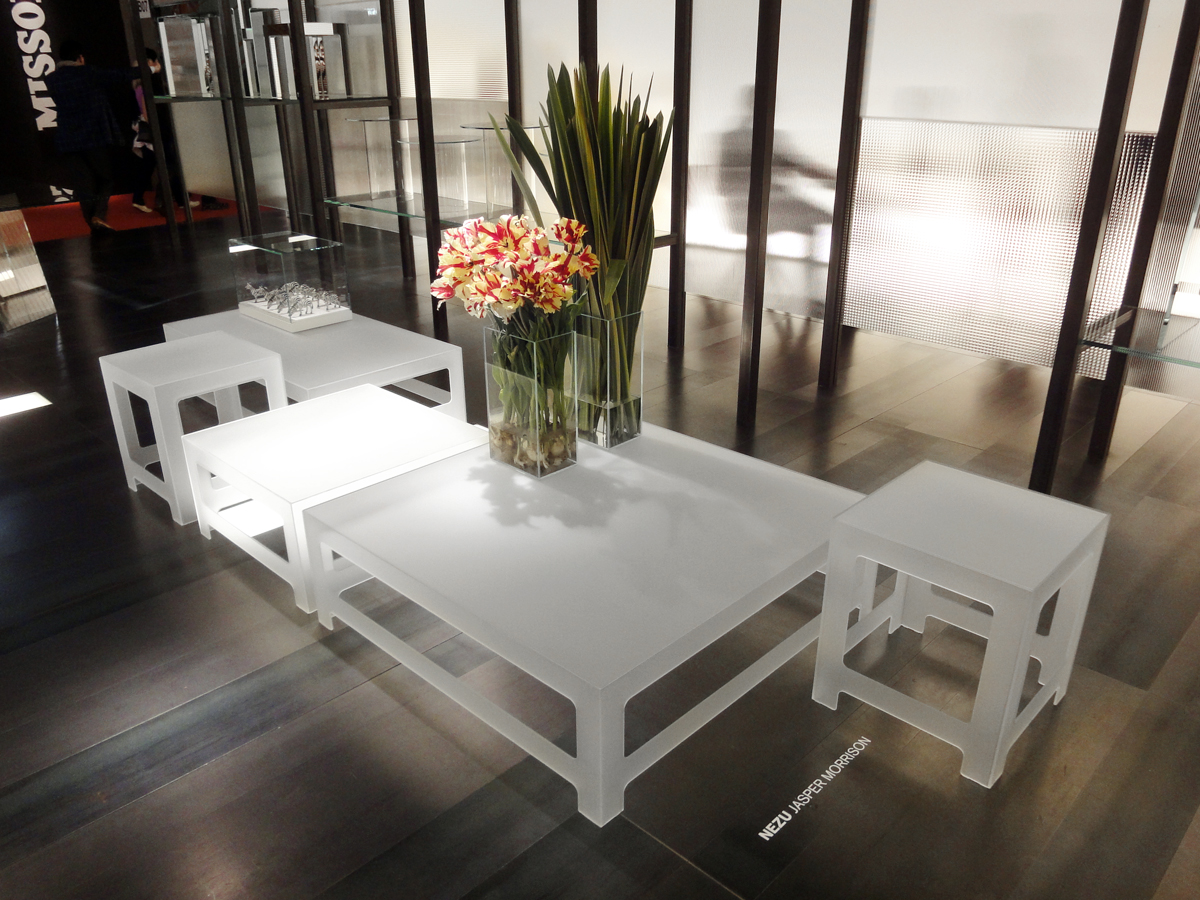
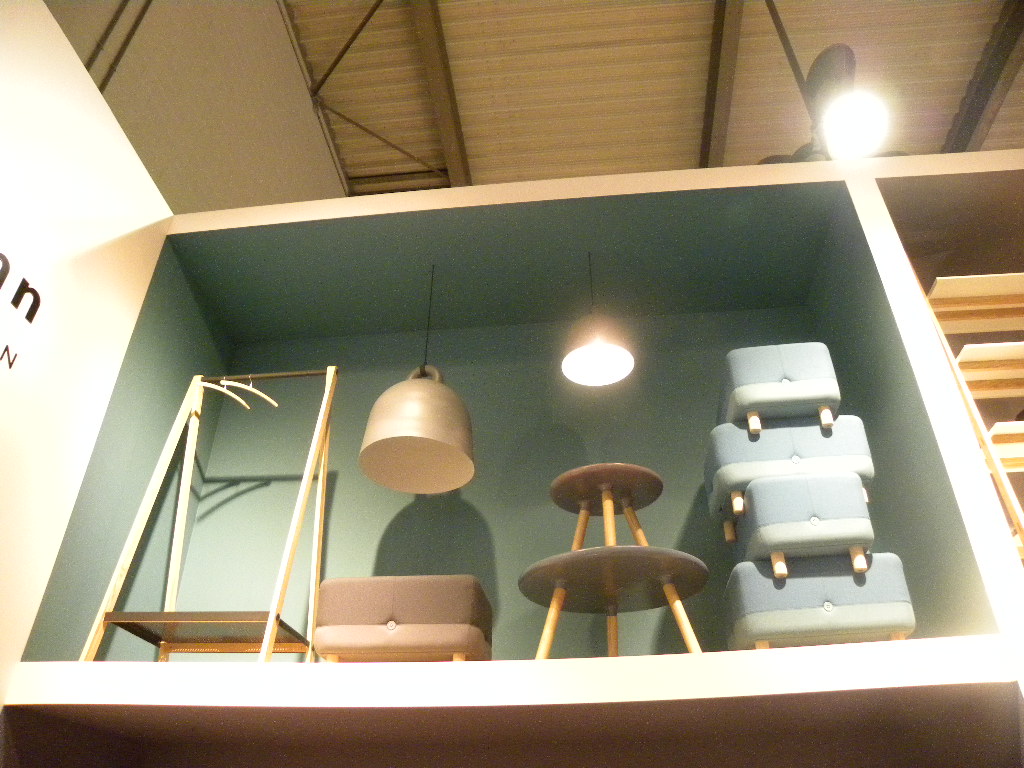
Minimalism
Less is more with clean lines, basic geometric forms, smooth surfaces and paste color tones.
Examples:
Nezu tables by Jasper Morrison
Furnitures by Normann Copenhagen.
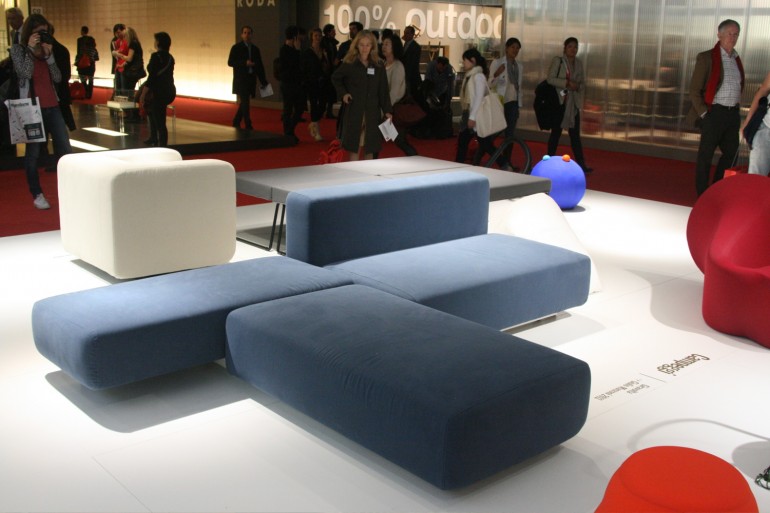
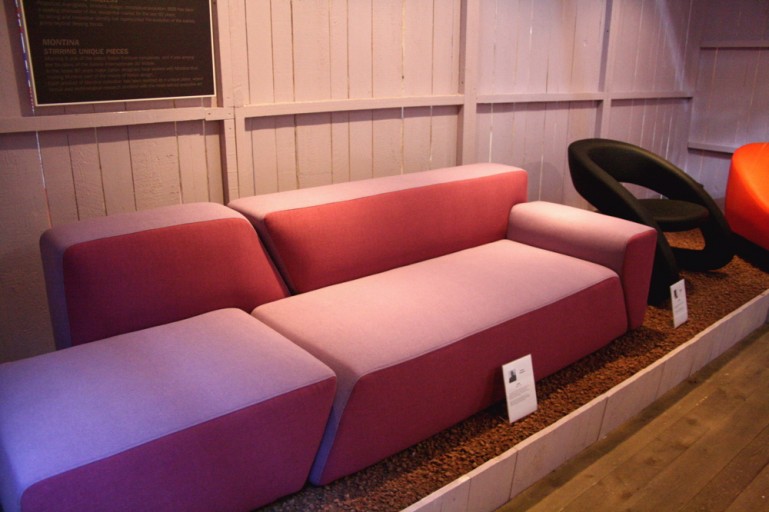
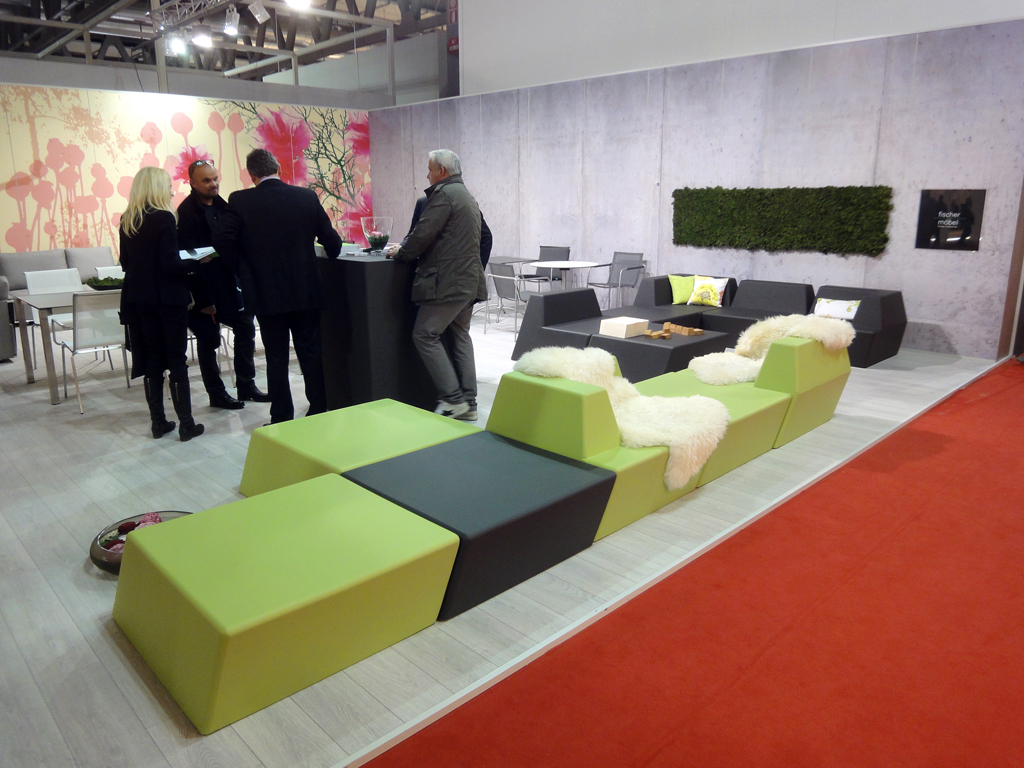
Modular elements
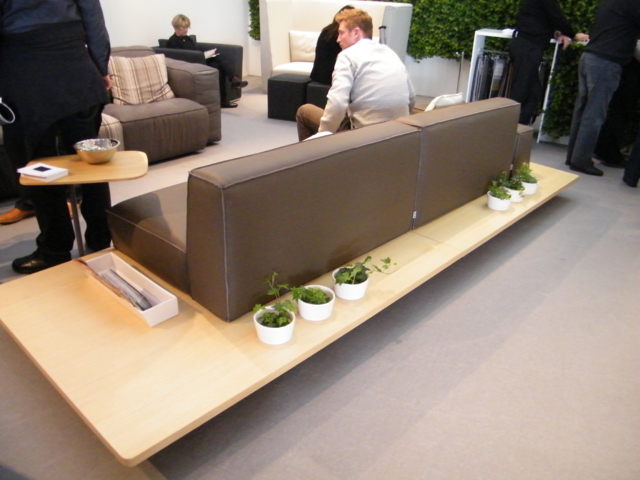
Combination of elements with simple shapes in order to create a modularity look.
Examples:
Sofas by Campaggi, BBB and Moroso.
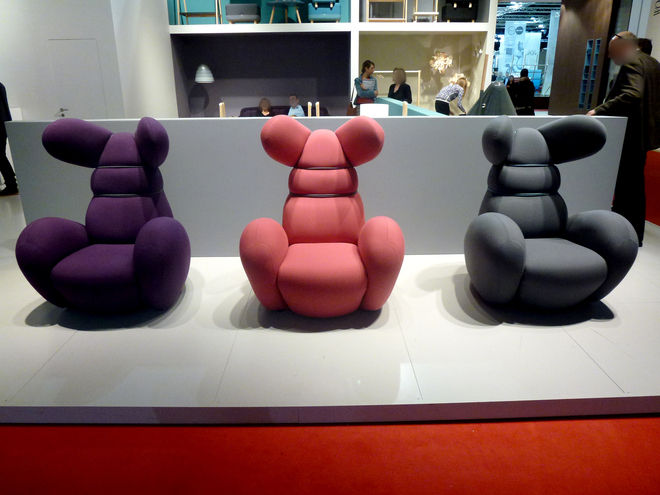
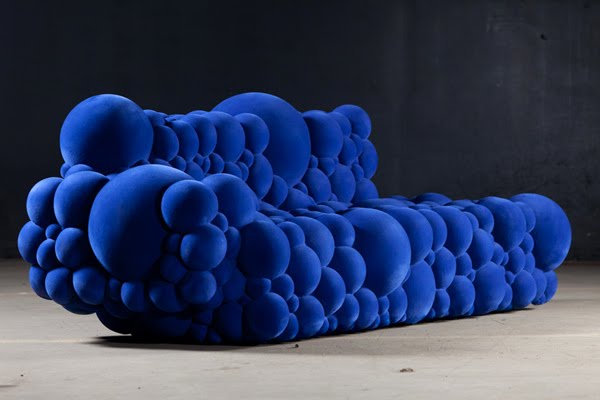
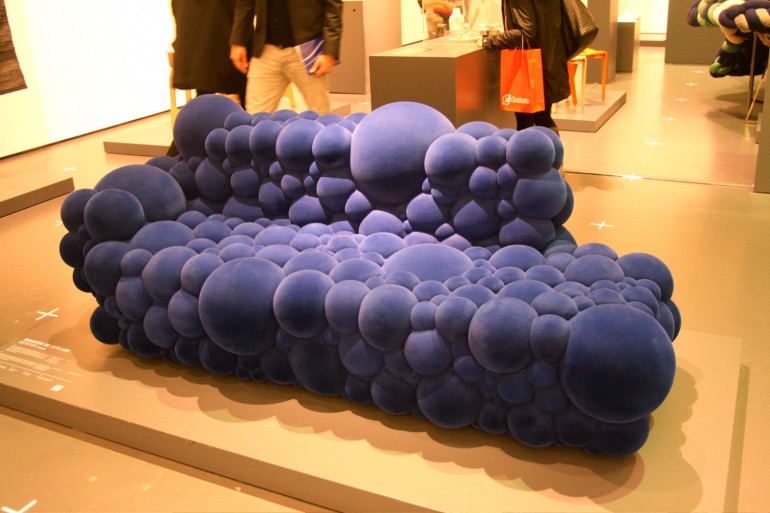
Spherical patterns
Spherical and voluptuous elements arranged to create new resting surfaces in armchairs and sofas.
Examples:
Normann Copenhagen armchair
Mutation Sofa by Maarten de Ceulaer.