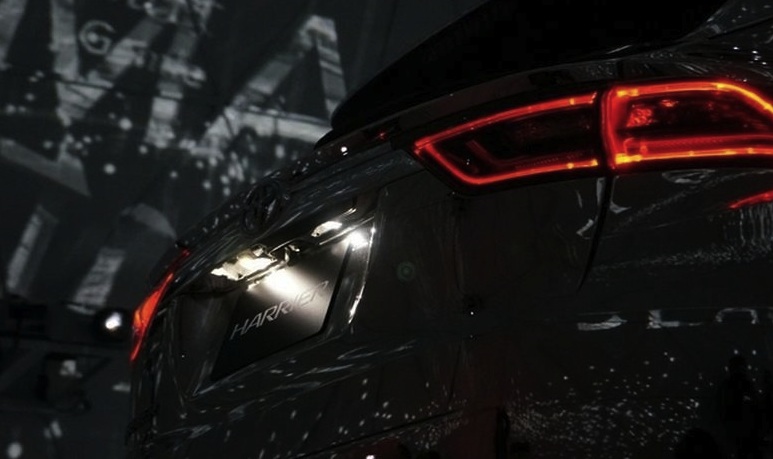
Mirror Harrier: what if the virtual world became a reality?
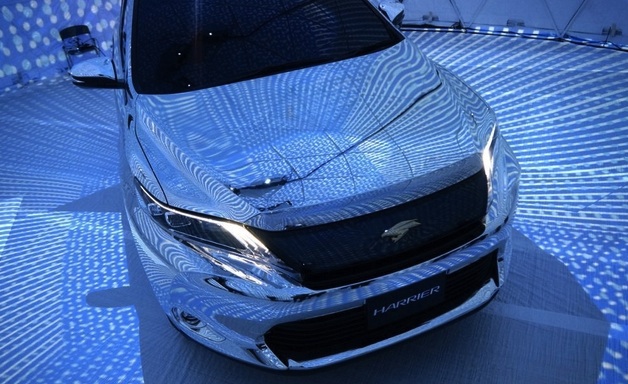
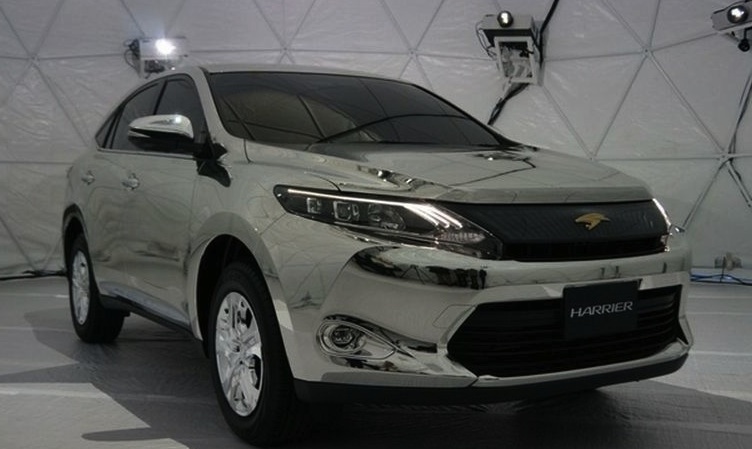
Is it a car? Is it an art form? No; it is a car that is art in itself. The world's largest automobile manufacturer, Toyota, has used a form of 3DCG (three dimensional computer-aided graphic design), known as “reflection mapping”, to show its Mirror Harrier, a car with bodywork that looks like a mirror. The Harrier, which is no more than a Lexus RX platform, the company's SUV crossover for the high-end segment, aims to replicate a reflecting surface thanks to a computerised textured image. The texture is used to store the image of the environment surrounding the object and Toyota has now successfully proven that these surfaces can be created to work as bodywork covering, reflecting light like a mirror.
But, how can a car reflect these images? To achieve this effect the designers have covered the vehicle exteriors with a plastic film of optical properties and placed the Harrier under a spherical dome 11 meters in diameter. This small space makes it easier for the images of virtual worlds beamed from a projector to be bounce back as reflections onto the bodywork, merging the most ingenious automotive technology and the ultimate in digital art.