
Mycelium, hemp and flax: the new materials of the car interior
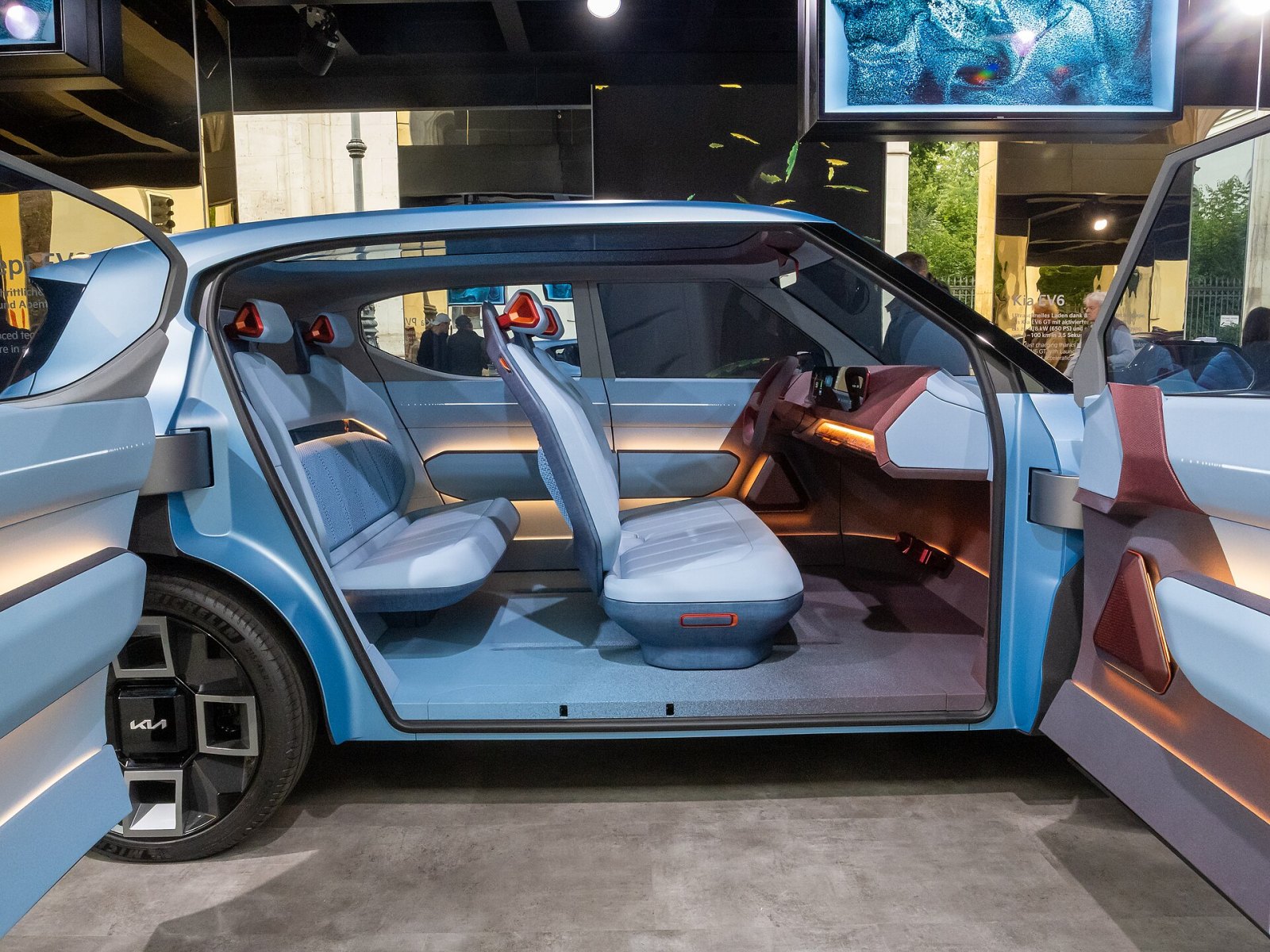
Milan Design Week 2025 made it clear that the next interior battle is not about screens but about materials. Kia presented the Concept EV2 there with a dashboard and door panels in Fybron, a cellulose compound made from wood, paper and recycled textiles; mycelium-infused polyurethane surfaces (with Biomyc) and hemp parts; and seat shells in AmpliTex, Bcomp's fully recyclable flax-fibre composite.
Italdesign went further with the Quintessenza: water-based paint cutting VOCs by 80%, flax fabric on wheel arches and bumpers (85% lower footprint than carbon), natural-fibre polypropylene in seat shells (up to 70% less plastic), a polyurethane "skin" with marble powder on dashboard and doors, and flooring with 20% recycled rubber from athletic shoes.
None of these materials replaces technical plastic: they complement it. The industrial challenge is combining them with overmoulding, paint and mould texturing while keeping tolerances, scratch resistance and colour repeatability in large series.